I’ve always been drawn to complex systems: how they work, how people interact with them, and how to bring structure and clarity to chaos. That instinct led me to begin my career as a systems analyst at a technology consulting firm. Just a few weeks into that role, I was asked to step into a vacant UX architect position, mapping user flows and creating interaction design for a B2B tool at AT&T based on insights from a research study.
It quickly became clear this was where I could do my best work. That first project exposed me to human-system interaction and showed how naturally my systems mindset fit into product design. I found I could untangle messy workflows, bridge across disciplines, and orchestrate many moving parts while solving problems from multiple perspectives.
Under the mentorship of a senior designer, I learned the fundamentals of usability and design and sharpened my instinct for translating complexity into clarity. Looking back, the seeds had been there all along. As a kid, I sketched comic book worlds with characters and storylines that converged across issues. The medium was different, but the instinct was the same: make sense of complexity to solve problems and provide value.
Two years later, I joined Walmart.com as a Senior UX Designer, where I led the design of Walmart’s first in-store pickup experience, work that helped advance a multi-channel strategy and deliver a 6% lift in omnichannel order volume. I was promoted to UX Design Manager, where I managed a team of designers, mentoring them and actively developing their careers. I later headed a 10-person site optimization team that improved the experience through user research and A/B testing, increasing conversion by 3% and reducing daily site errors by 4,500.
At Walmart, I gained deep expertise in optimizing large-scale workflows for an established user base, but after five years I felt ready to take on a different kind of challenge. I wanted to expand my work beyond mature systems and build new products from the ground up, make early product decisions, and shape adoption from the very beginning.
Throughout that journey, I worked with four startups, where I designed products from 0 to 1, built design teams, and advanced my skills in prototyping, design systems, user research, and learning how to build the right thing.
My first startup experience was at Dealer Market Exchange, where I led design for a B2B automotive SaaS platform that reduced vehicle acquisition time by 40% by automating appraisal, inspection, and auction workflows for dealers and manufacturers. I guided the product through multiple iterations based on user feedback and client input, evolving design frameworks to support a 60% expansion in use cases across franchise and independent dealerships. I also built and mentored a team of 4 designers and implemented scalable design system processes that cut front-end implementation errors in half and accelerated delivery as the platform’s active user base tripled.
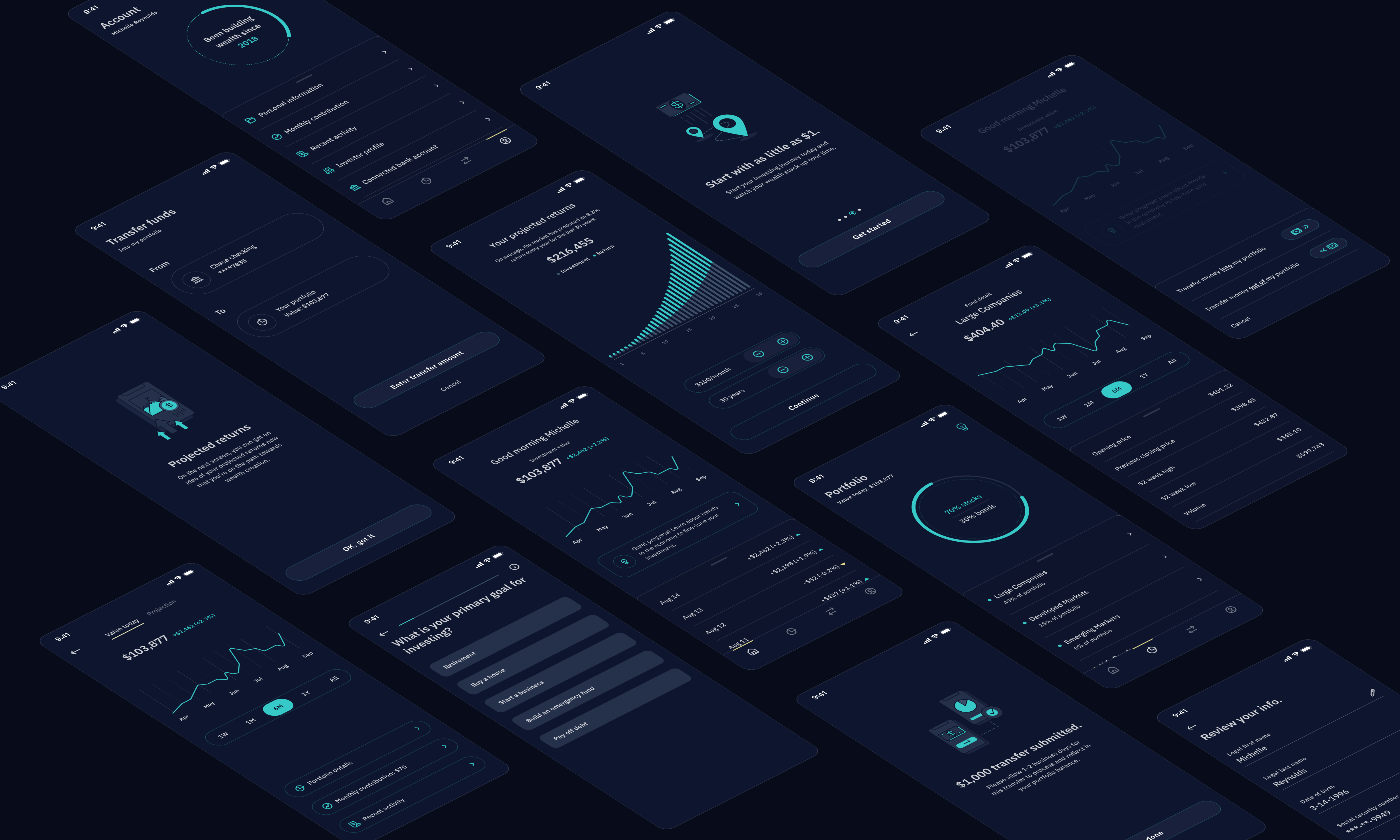
My next role was with Kunai, a fintech and financial services consultancy recently acquired by PwC, where I led design strategy across multiple client engagements, guiding early-stage product definition for fintech startups and leading UX for enterprise-scale payment tools. I designed a payment processor recommendation platform for J.P. Morgan Chase to improve B2B revenue growth by simplifying complex payment workflows. As founding designer for Stackwell, a fintech startup focused on financial wellness, I shaped the product from concept to App Store launch, designing onboarding, education, and portfolio creation flows that drove a 25% month-over-month increase in new user activations. I also led design for BankShift, a banking-as-a-platform startup, architecting modular payment flows and core UX patterns that supported multi-institution scalability, enabling the company to onboard its first three partner banks.
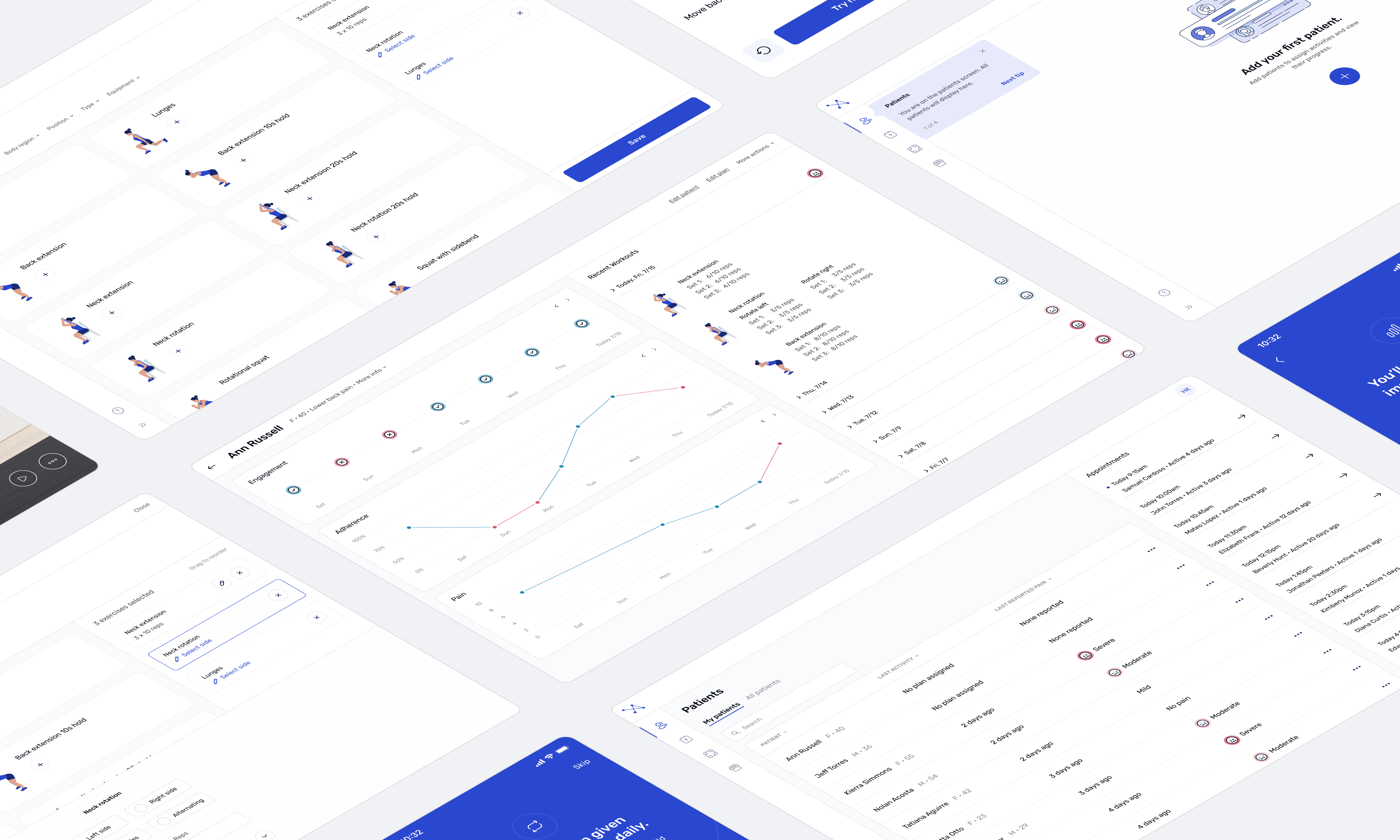
I then paused my work in fintech to join Telmetrix, a healthcare startup, to lead design for a SaaS platform focused on improving physical therapy engagement through motion tracking. In this role, I led a strategic shift in product direction after uncovering critical adoption risks in an early version of the product. I designed an integrated ecosystem that combined a patient-facing mobile experience with clinic-facing workflow tools. My work helped secure a clinic pilot where the platform achieved a 42% increase in exercise engagement, a 55% reduction in appointment cancellations, and saved clinicians 7 hours per week, creating capacity for 6 additional appointments without added staff.
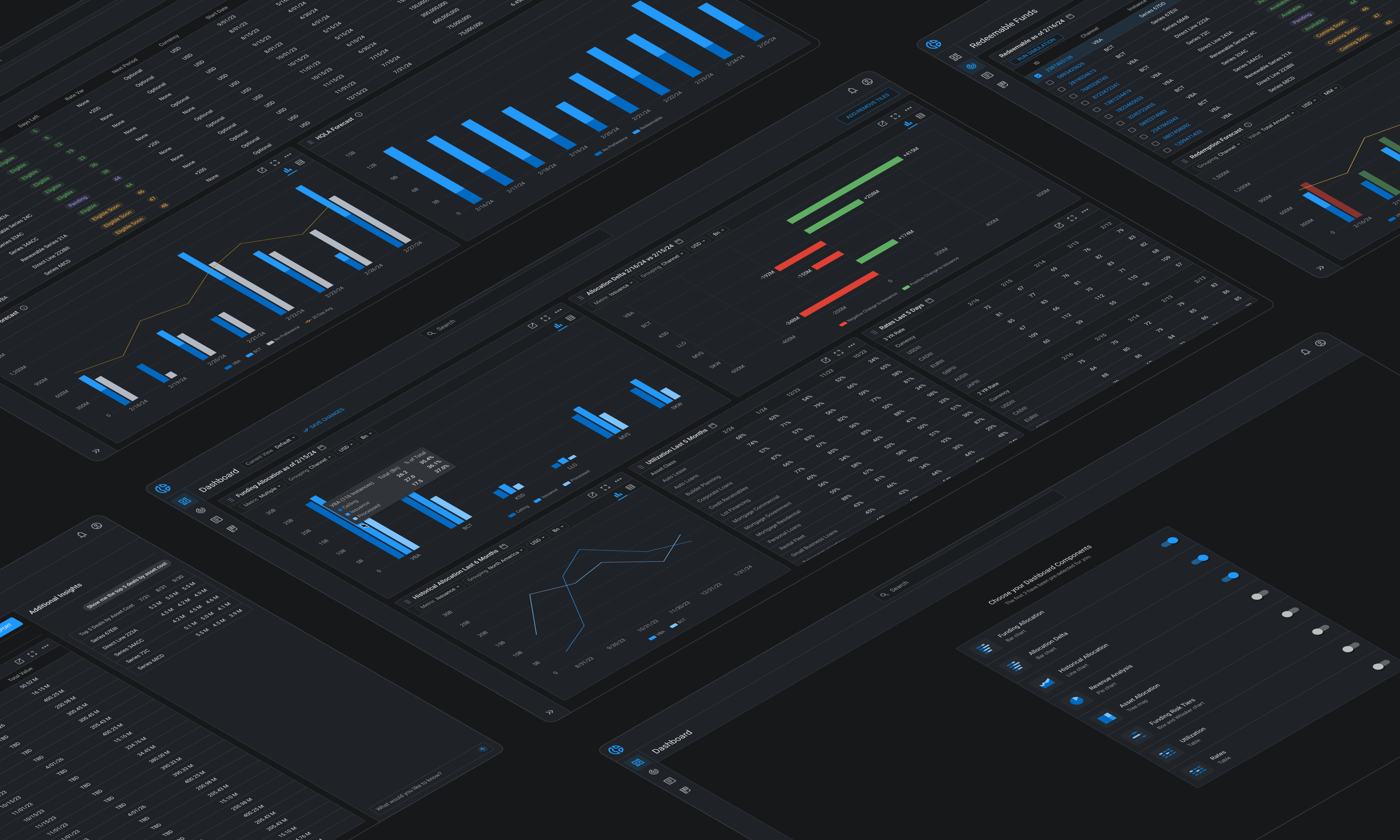
After several years designing products from the ground up across a range of startups, I had satisfied that drive and felt ready to return to the kind of high-stakes, enterprise-scale systems I’d always been drawn to. That led me to RSM, where I’m now a Senior Product Design Manager embedded in the Royal Bank of Canada’s capital markets technology group, one of the largest and most complex in banking. In this player-coach role, I lead the program-wide design of a Securitization Finance Platform spanning five teams, each with over 20 members. The design automates forecasting workflows for hundreds of associates, reducing forecast-building time by 60% and saving 1,500 employee hours monthly, enabling a $200M annual revenue growth target defined by the business.